

 فارسی
فارسی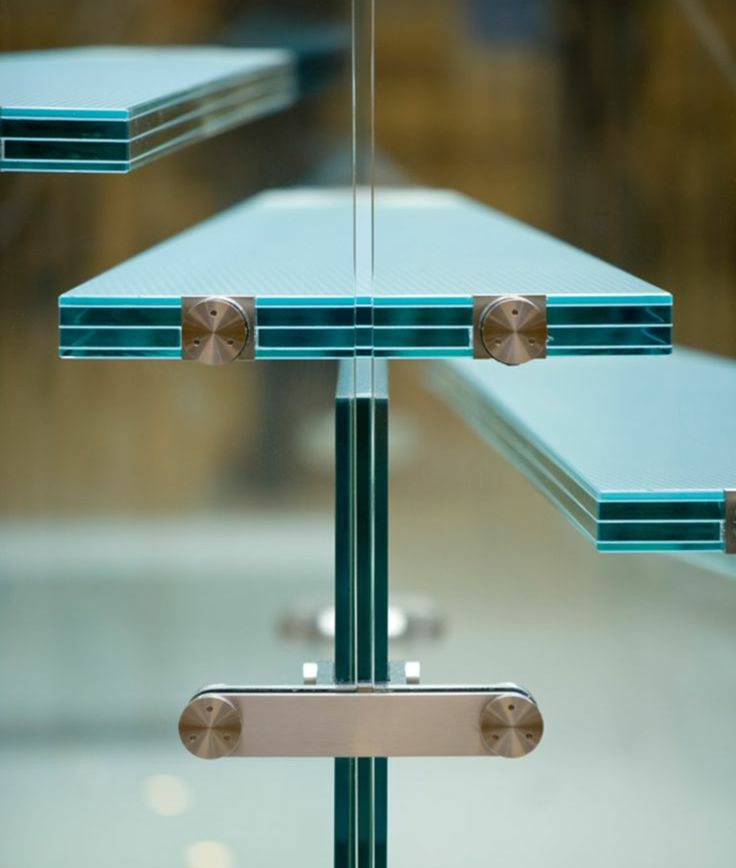
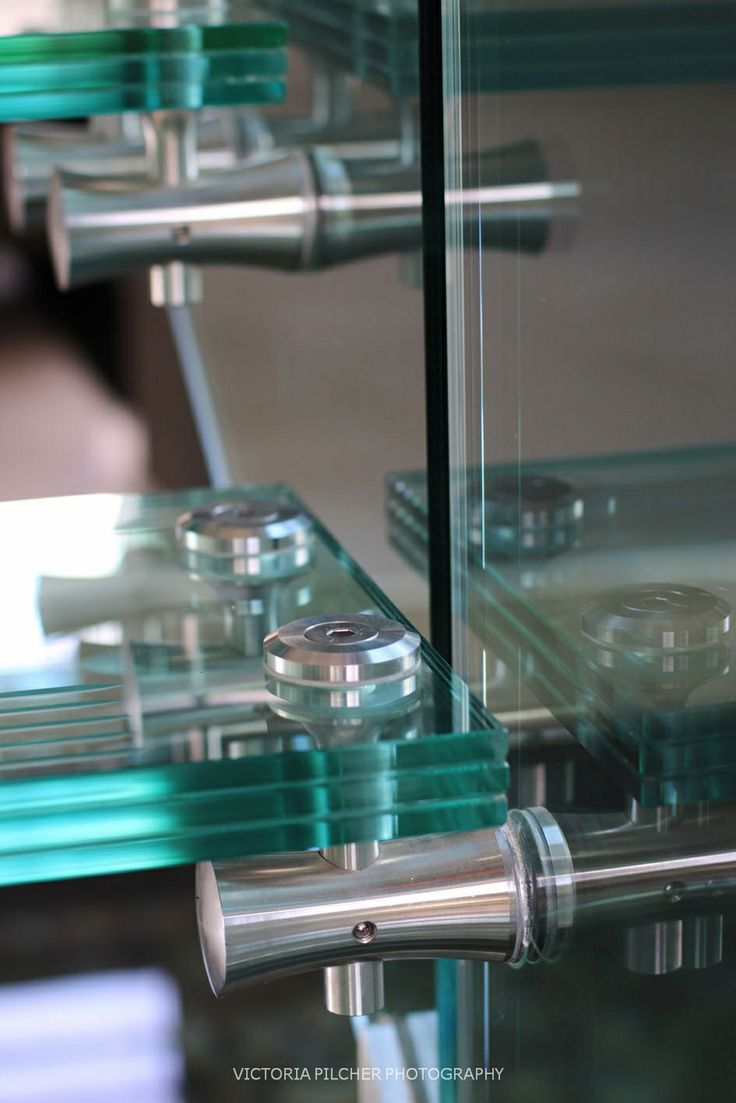
Laminated glass is one of the most modern and safest types of architectural glass, with widespread applications in architecture and construction due to its simultaneous combination of strength, security, and beautiful visual appeal. This glass is produced by bonding two or more layers of glass with a strong interlayer made of PVB (Polyvinyl Butyral) or EVA (Ethylene Vinyl Acetate).
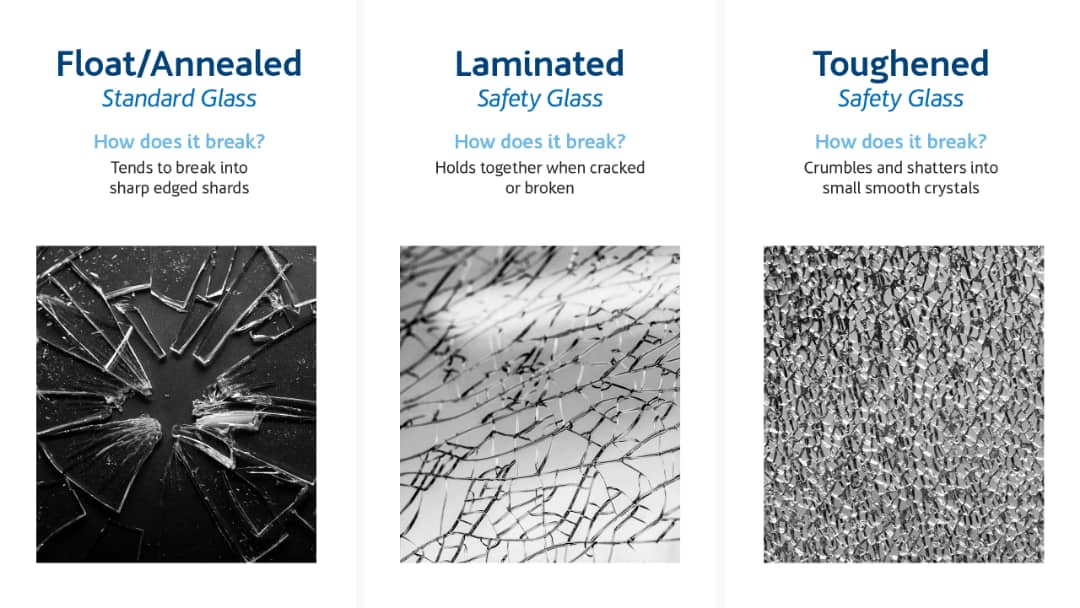
The presence of this interlayer ensures that if the glass breaks, the fragments remain adhered to each other, preventing scattering and potential hazards. Therefore, laminated glass is categorized as safety and impact-resistant glass.
Other important advantages of laminated glass include effective sound insulation, reduced transmission of harmful UV rays, and increased resistance to penetration and impact. These features have made laminated glass an ideal choice for spaces where security, tranquility, and high durability are of particular importance, including residential buildings, commercial properties, and public spaces.
Quality is our path, not our destination.
Main benefits
- High Safety: In case of breakage, glass fragments adhere to the interlayer, preventing shattering and injury.
- Enhanced Security: Resistant to impact, theft, vandalism, and accidental collisions.
- Effective Sound Insulation: Reduces sound transmission, creating a quieter and more comfortable environment.
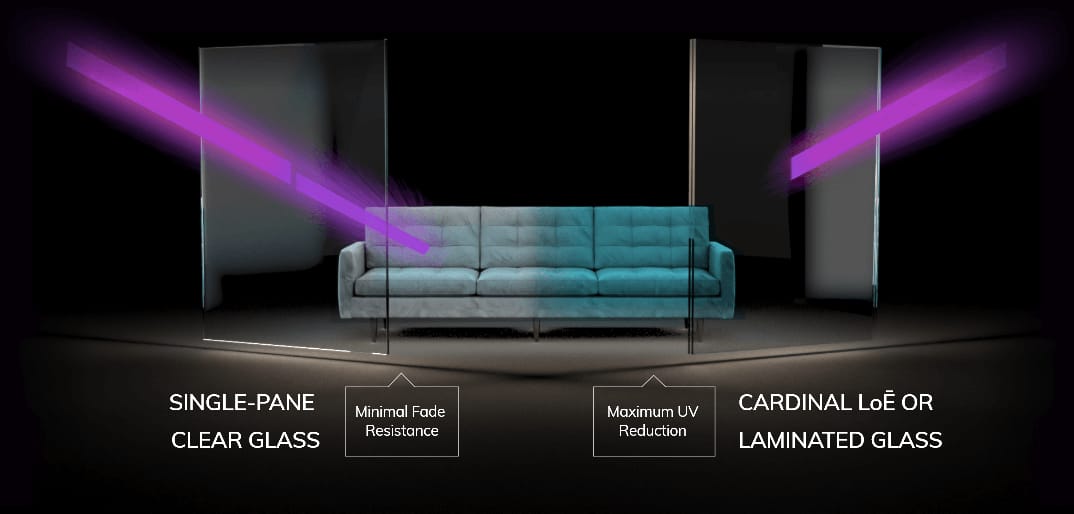
- UV Protection: Blocks up to 99% of harmful solar UV rays, preserving the color and quality of furniture and interior furnishings.
- Design Versatility: Available in various thicknesses, colors, and designs, such as clear, frosted, colored, decorative, or reflective.
- High Durability: Stable performance in various weather conditions, suitable for both indoor and outdoor use.
Applications
Due to its unique combination of safety, aesthetics, and insulation, laminated glass is used in a variety of projects, including:
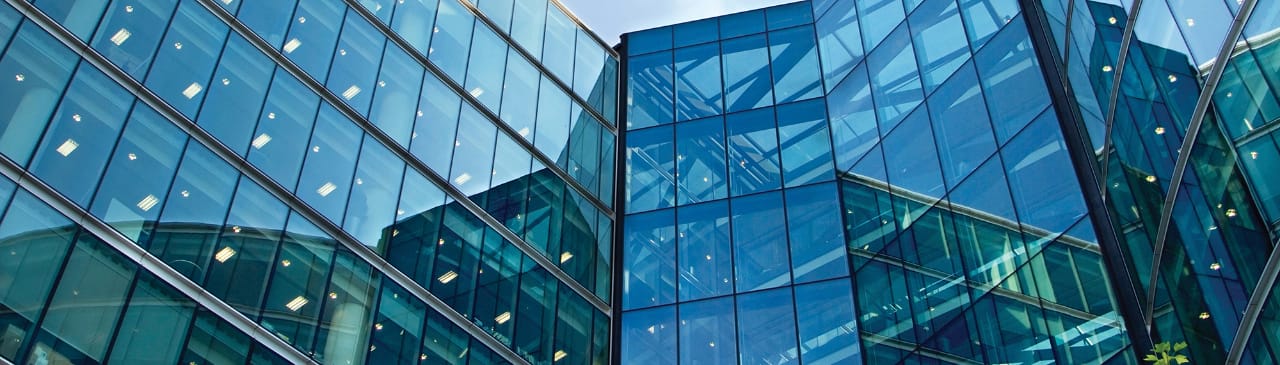
- Building Facades, Skylights, and Glass Walls (Curtain Walls)
- Glass Doors, Partitions, and Interior Walls
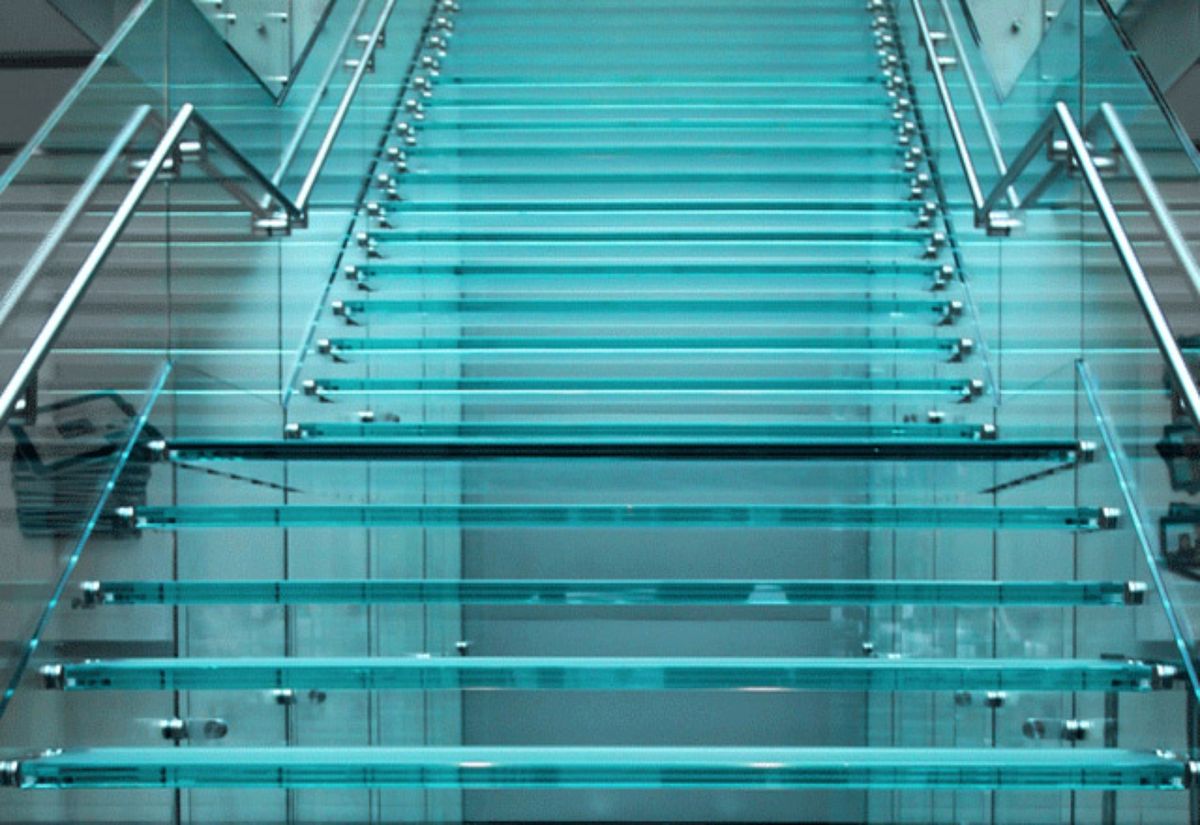
- Railings, Balustrades, Glass Roofs, and Elevated Spaces
- Stores, Banks, and High-Security Facilities
- Windshields for Cars and Public Transport Vehicles
- Furniture, Decorative Panels, and Custom Decorative Structures
- Sound-Insulated Windows and Walls in Offices, Studios, and Residential Homes